Institutional profile

The Institute is dedicated to the rigorous study of planetary and scientific materials, the development of applied technological solutions, and the responsible conservation of scientific heritage. ADARA operates at the intersection of science, technology, and long-term knowledge preservation.

Independent by design, ADARA Institute is not affiliated with any university or public body. This autonomy allows the Institute to collaborate freely with museums, research centers, universities, private collections, and professionals worldwide, while maintaining the highest standards of scientific rigor and ethical responsibility.

The mission of ADARA Institute is to advance scientific knowledge through careful analysis, transparent methodologies, and the preservation of data, specimens, and documentation for future generations. Economic activity serves exclusively to support and sustain this scientific mission.

ADARA Institute operates internationally and without disciplinary boundaries, guided by a commitment to integrity, long-term thinking, and the responsible stewardship of scientific knowledge


Departments

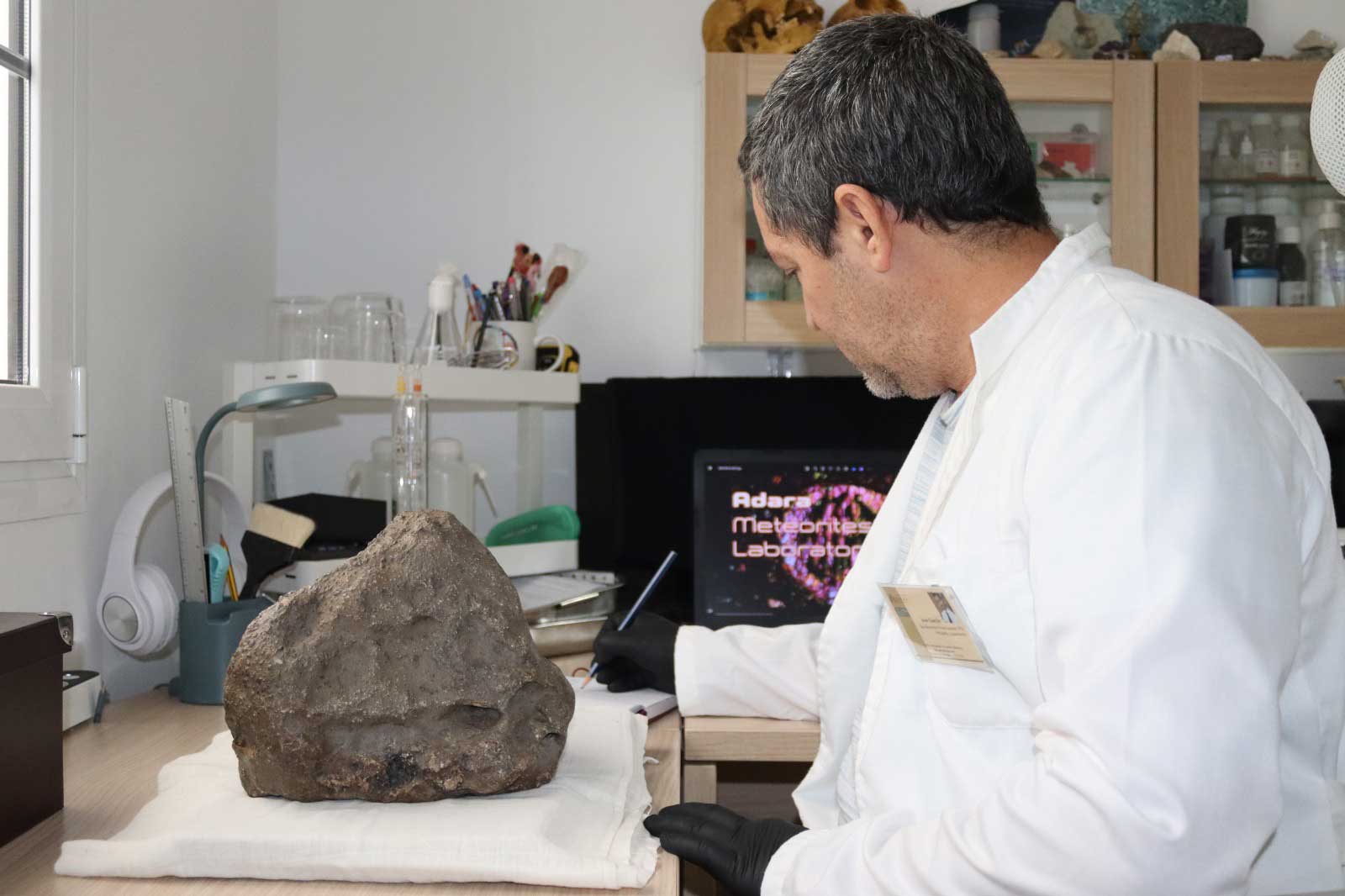
Laboratorio del Instituto ADARA

Meteoritics Department

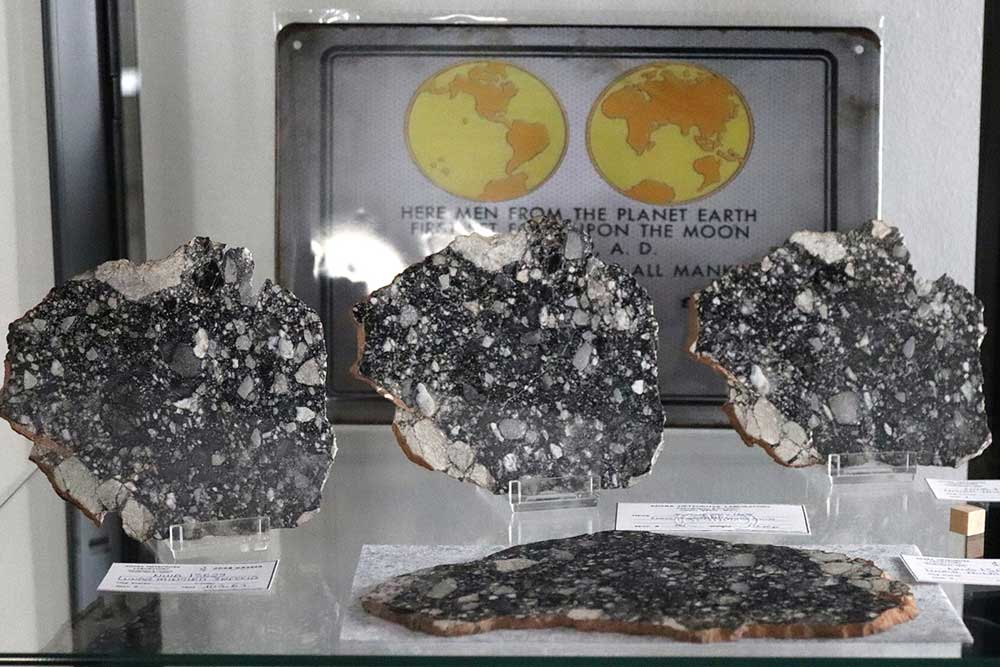
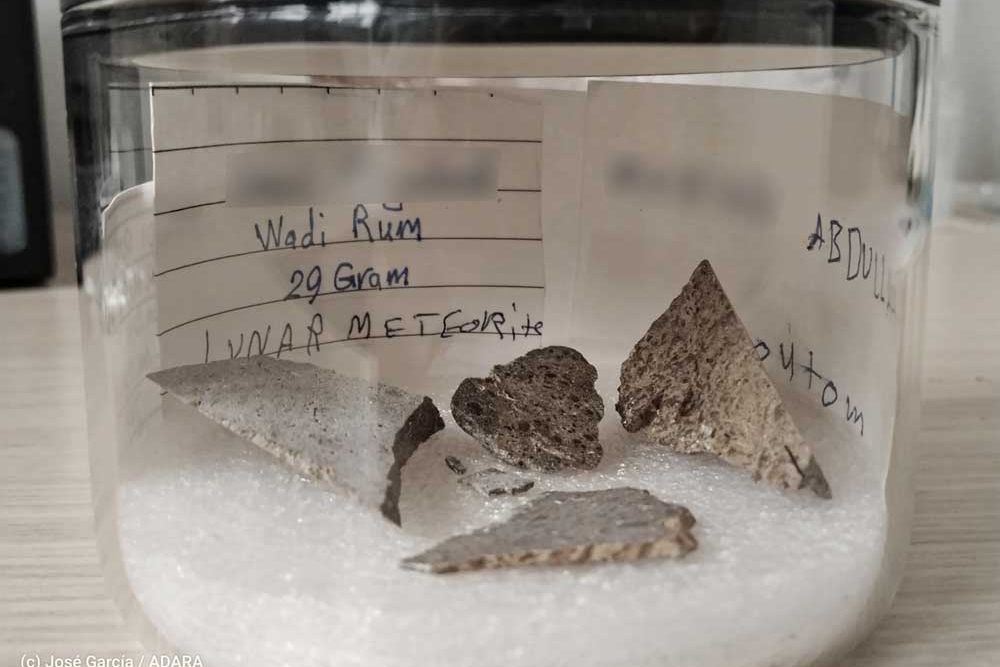
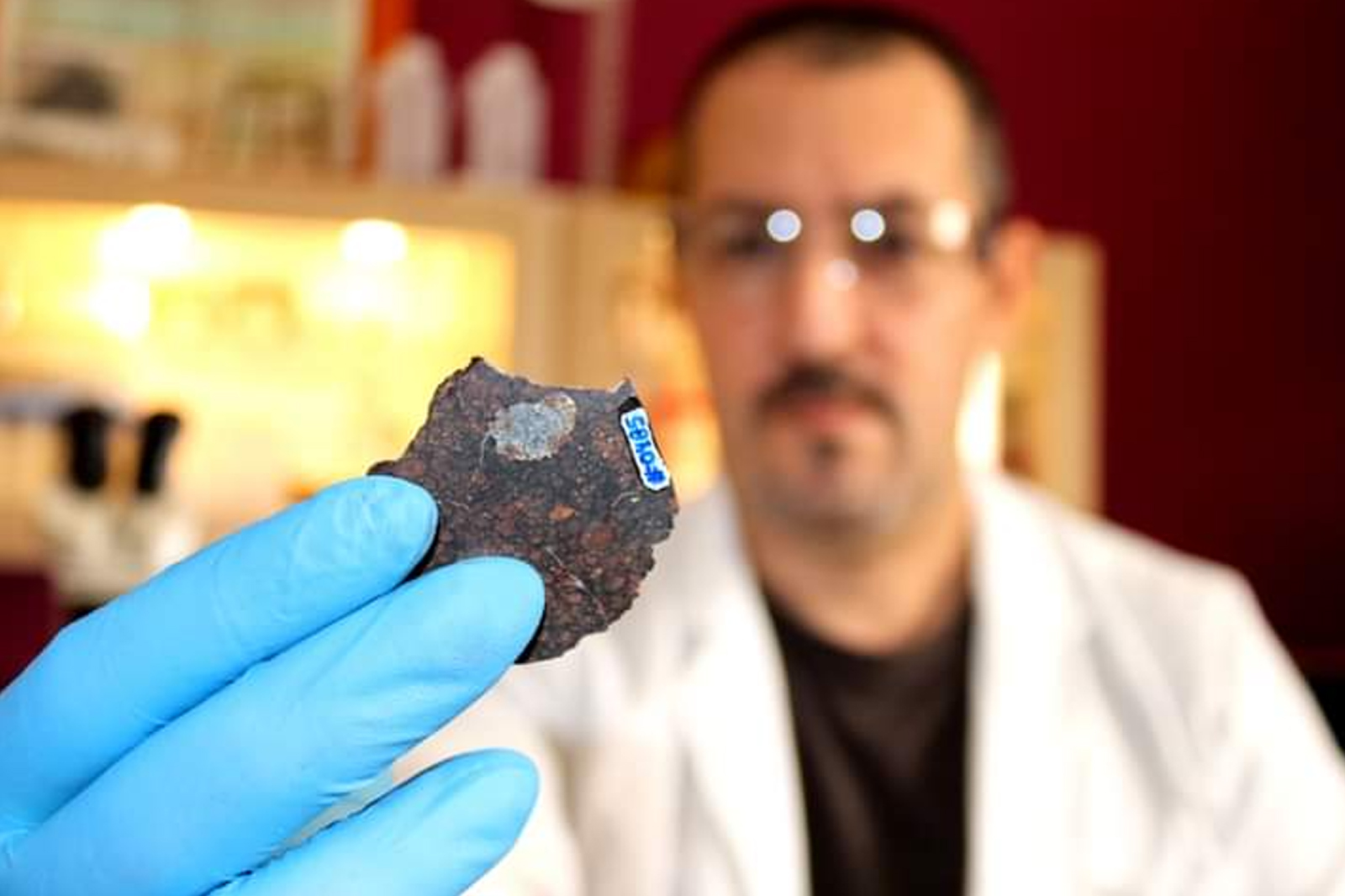
The Department of Space Sciences focuses on analytical research, including the petrographic, mineralogical, geochemical, and magnetic study of meteorites and other extraterrestrial materials. This division is also responsible for preparing technical documentation, scientific reports, and official classification processes for submission to relevant international organizations.

Go to Meteoritics
Laboratorio del Instituto ADARA

Tech Solutions Department

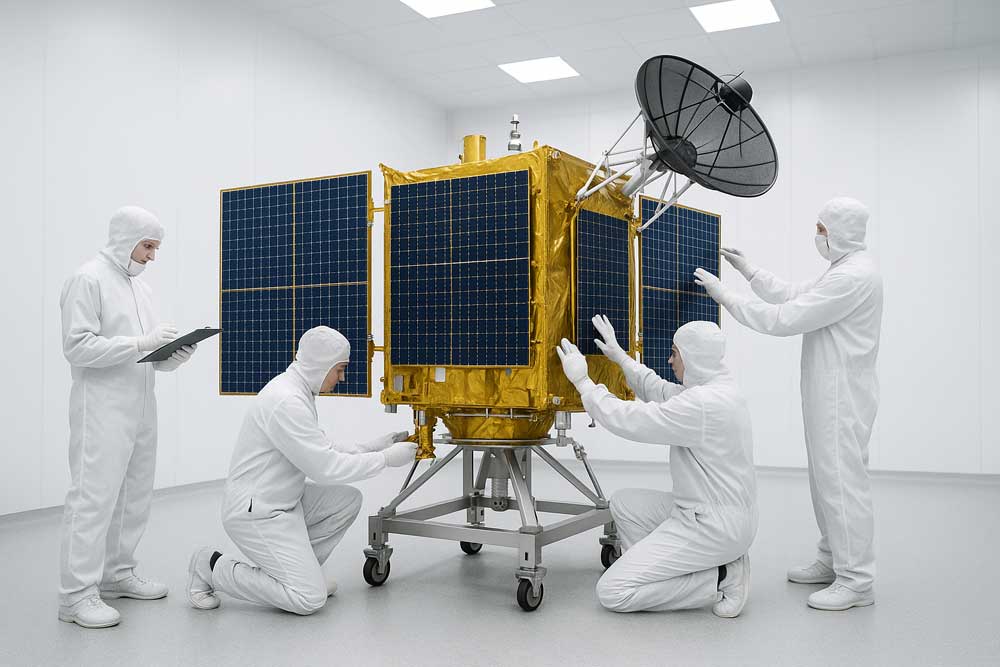
The Department of Technological Solutions develops digital tools that enable the precise and traceable management of scientific collections, automate document processes, and structure archiving systems that guarantee the orderly preservation of the knowledge generated. Its work is not limited to internal support but also extends to institutions and entities that require specialized solutions for scientific or comercial management.

Go to Tech Solutions
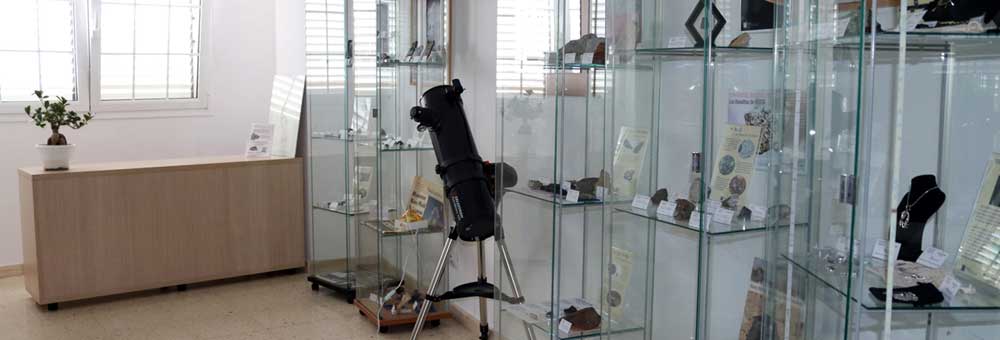
Curated scientific heritage collections

Conservation Dept

The Scientific Heritage Conservation Department safeguards multidisciplinary collections that support research at ADARA—from astromaterials and geological specimens to botanical, biological, and histological preparations. Materials are stewarded for long-term preservation, traceable documentation, and equitable access under rigorous laboratory standards. Our work connects conservation science with education and institutional collaboration so these assets remain authoritative references for generations to come.

Go to Conservation

Important Projects

Some interesting projects currently under development in our department.

Courses
Promotion of courses

Adara Institute Training Program

Continuous formation in professional courses with proper certificate of the Adara Institute.

See program
Collections
Adara Catalog Collection

ADARA Catalog

Explore the Institute's most notable meteoritic specimens, with technical sheets and documentation.

Go to Catalog
Institutional
Patronage and support

Founding Statement

ADARA was born, not as a product, but as a deliberate scientific act.

Read the Manifest

Latest Updates

See all updates
Limón Verde 070 meteorite
January 2026

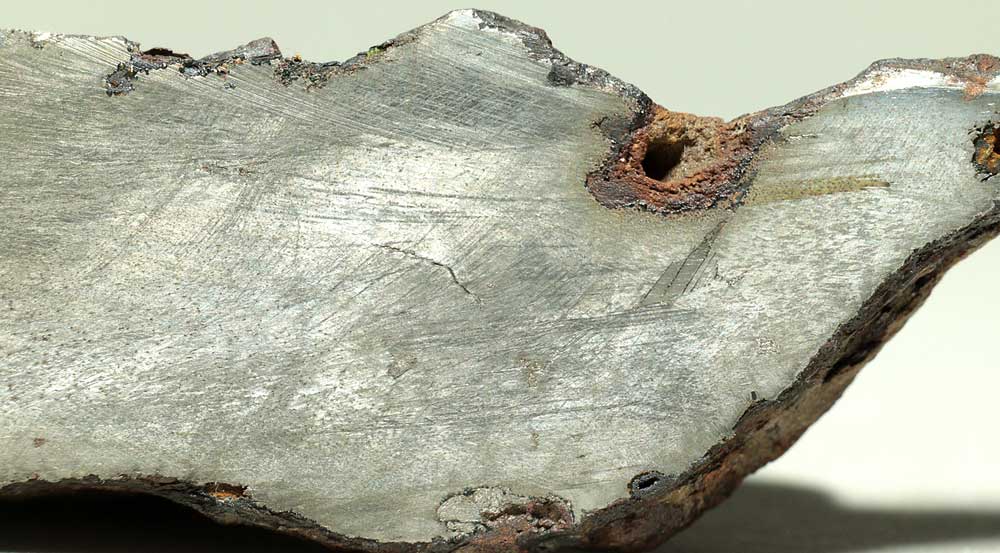
LIMÓN VERDE 070 meteorite was officialy classified.

The specimen, weighing more than 74 kilograms, has proven to be an ungrouped iron of great value.

Adara Jornadas lunares
March 2026

Jornadas Lunares ADARA (ESP).

Adara Institute ofrece un programa de formación sobre ciencias lunares a instituciones, de manera presencial, en España.

New laboratory courses launched
February 2026

ADARA launches an exciting distance learning program.

Laboratory Assistant, Volcanology, and Scientific Sample Conservation are among the most in-demand programs.

Mars Clock · Northern Seasons

Real-time Mars time, seasonal state, Earth↔Mars distance, light-time delay, and optional rover weather

Earth ↔ Mars distance
— AU
— km
One-way light-time
— min
— s
Mars Year (approx.)
MY 1 ≈ 1955‑04‑11 · 686.971 Earth days
Earth (UTC) now
Preset site
Longitude (°E)
Latitude (°N)
Local/Global Mars time
MTC
—:—:—
LMST
—:—:—
0.00°E
Mars Sol Date (MSD)
Solar longitude (Ls)
—°
Northern hemisphere season
Time to next season (to Ls °)
Season progress0%
Simulated surface temperature at site
— °C
Model from Ls & latitude (coarse)
Rover weather (MAAS2)
Latest public feed (Curiosity/InSight, when available)
Sol
Terrestrial date
Temp (min/max)
Pressure
Wind
Season
Data courtesy of MAAS2. If the service is offline or CORS‑blocked, this panel will remain blank.
1 sol ≈ 24h 39m 35s · Approximations suitable for apps · Distance uses low-order Keplerian elements (coarse)